
Watercolor Mastery Online Class Schedule 2026 - 2027
Upcoming Live Classes
For the remainder of 2026, one live class is scheduled each month. These will feature a critique (about 2 hours) and a short paint along demo (about ½ hour).
Starting in January 2027, two live classes are scheduled most months (depending on my personal schedule). Each live class will be two hours long and include only one activity focus : a Master Work Study, a Paint Along project, a Critique. Each type of described in a general way below.
Master Work Study Class : In these classes, we’ll look at and discuss a masterwork watercolor painting. The discussion will be themed to focus on a particular composition or color idea that will be expanded on in an upcoming Paint Along Class. Approximately half the class will be spent discussing the work, the other half doing thumbnail sized ‘master studies’ of the painting discussed.
Paint Along Class : These are more like typical watercolor painting classes in that we’ll paint a subject together. The subject and approach will be themed, often in a way meant to illustrate and expand on the ideas discussed in a recent Master Study Class.
Critique : These sessions are meant to provide actionable feedback on Mastery Class members work. Any work can be submitted but it is best to submit work that aligns with either the current class theme or your current individual learning path. Info on getting ready for a critique can be found here.
Live Class : Master Work Study
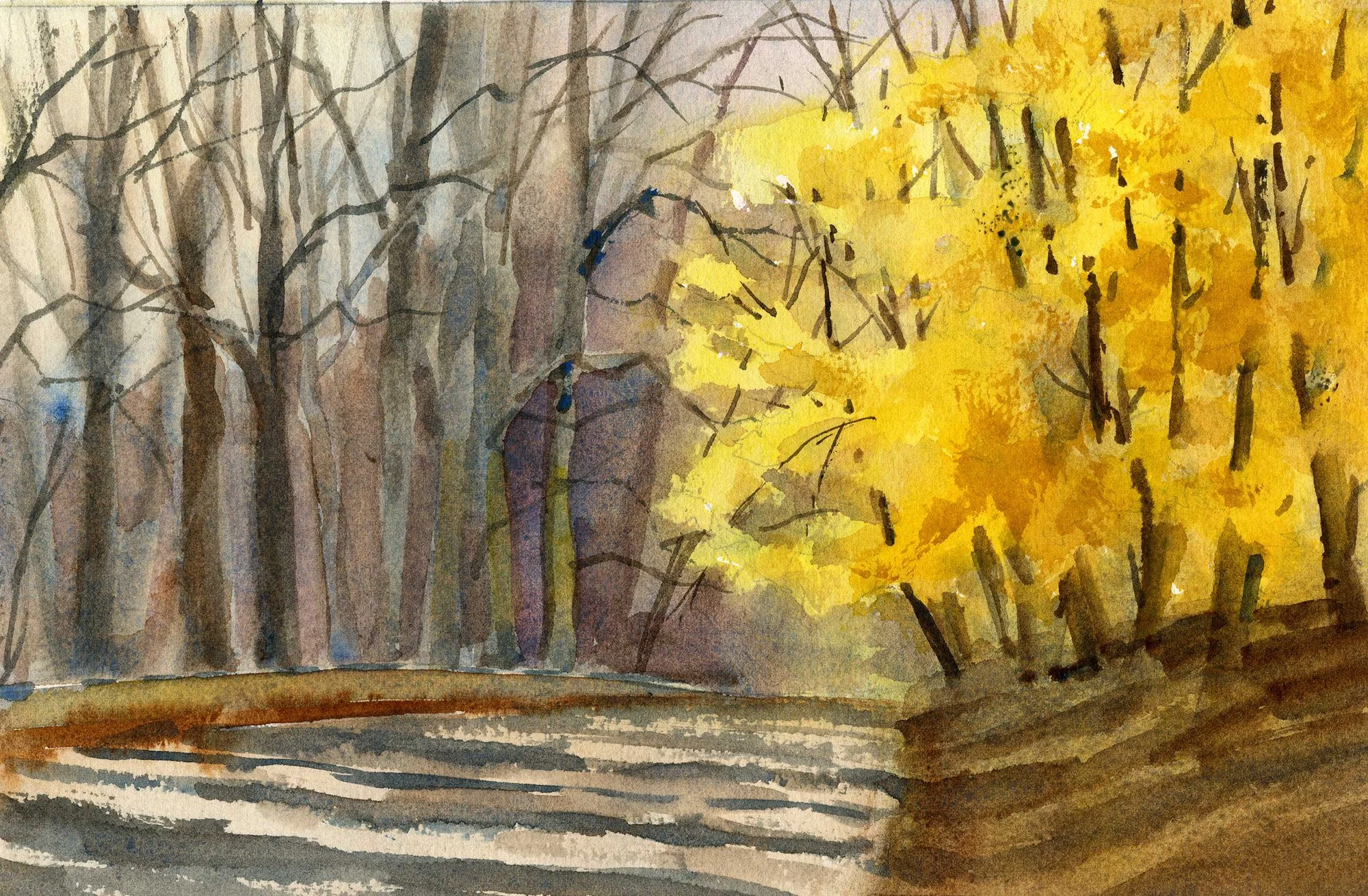
Our Watercolor Mastery theme for 2027 is Painting WithSimple Compositions And Limited Palettes. We kick off the year and the theme by studying a masterwork by Andrew Winter titled “Old Fish House Monhegan”. This work is a masterpiece of simplicity and limits.
We’ll spend most of the first hour of class viewing and discussing this work in terms of its composition and the artists color choices. There’ll be an emphasis on the effect of both on depiction of the scene, season, light and mood.
RECOMMENDED MATERIALS
For this and all Master Work Study classes, you’ll want to have the In addition to your regular watercolor supplies, there are several other materials that will make the evaluation process and Master Studies much easier.
Tracing paper
Black marker or sharpie
White gouache
Many small - postcard sized - pieces of watercolor paper. These can be ‘scraps’; the backs of not so successful paintings or other explorations.
Value scale - nine or ten steps with holes in the middle. Use a commercial version or make one of your own. Video tutorials for making your own 5 as well as 9 step scale can be found in the Mastery Basic Composition course.
The Master Studies can be done in either watercolor or gouache. I recommend gouache. You’ll find controlling hue, value and chroma a little easier in this water-based media.
Live Class : Master Work Study
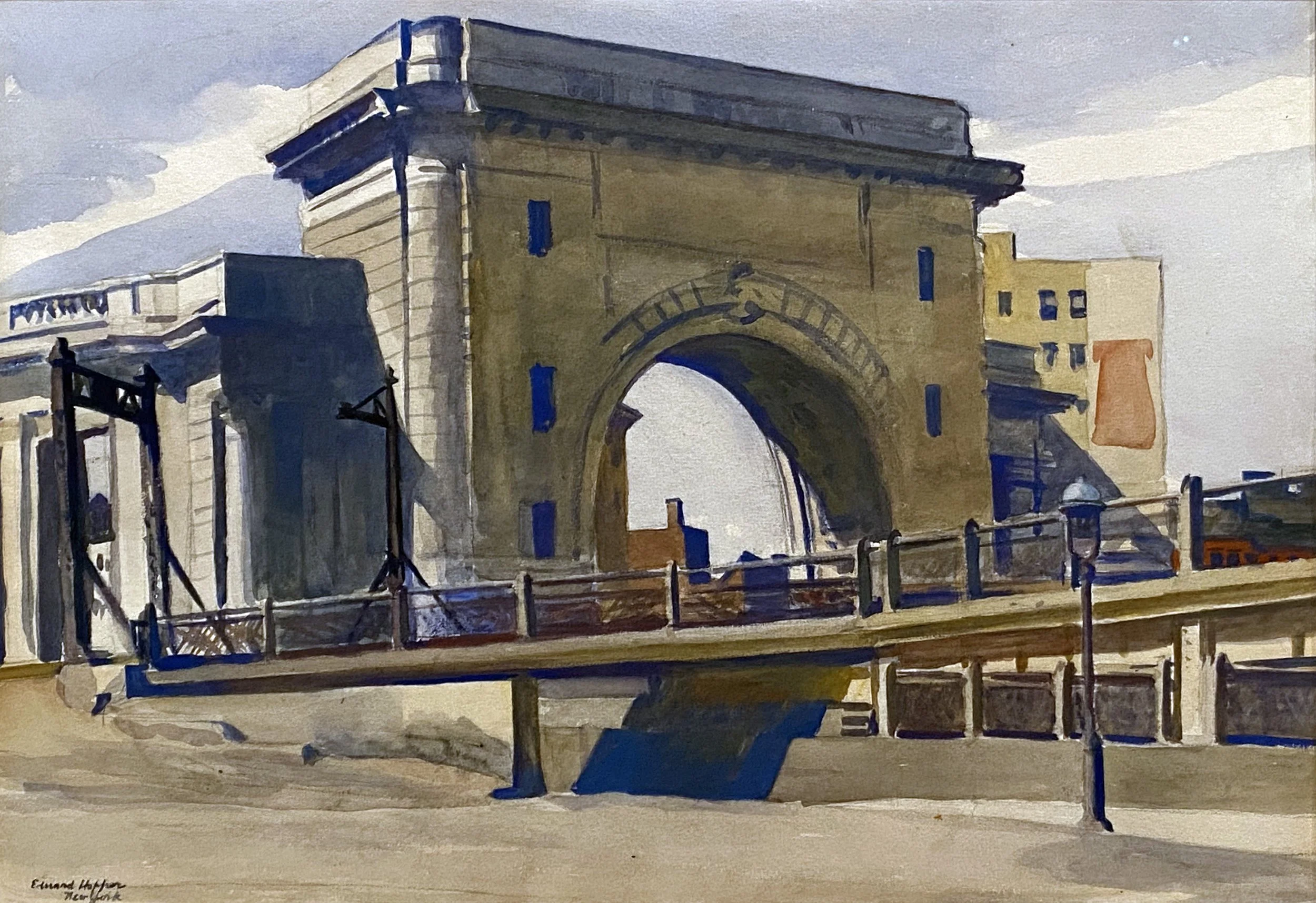
In this session we’ll study a masterwork by Edward Hopper titled “Manhattan Bridge Entrance”. This work is was likely done ‘en plein air’ using an understated, low-intensity color palette. The composition relies on a solid value arrangement that provides both structure and sense of light.
We’ll spend most of the first hour of class viewing and discussing this work in terms of its composition, the color choice and the sense of light. .
The second hour of class will be spent developing master studies of the value arrangement and color composition.
RECOMMENDED MATERIALS
For this and all Master Work Study classes, you’ll want to have the In addition to your regular watercolor supplies, there are several other materials that will make the evaluation process and Master Studies much easier.
Tracing paper
Black marker or sharpie
White gouache
Many small - postcard sized - pieces of watercolor paper. These can be ‘scraps’; the backs of not so successful paintings or other explorations.
Value scale - nine or ten steps with holes in the middle. Use a commercial version or make one of your own. Video tutorials for making your own 5 as well as 9 step scale can be found in the Mastery Basic Composition course.
The Master Studies can be done in either watercolor or gouache. I recommend gouache. You’ll find controlling hue, value and chroma a little easier in this water-based media.